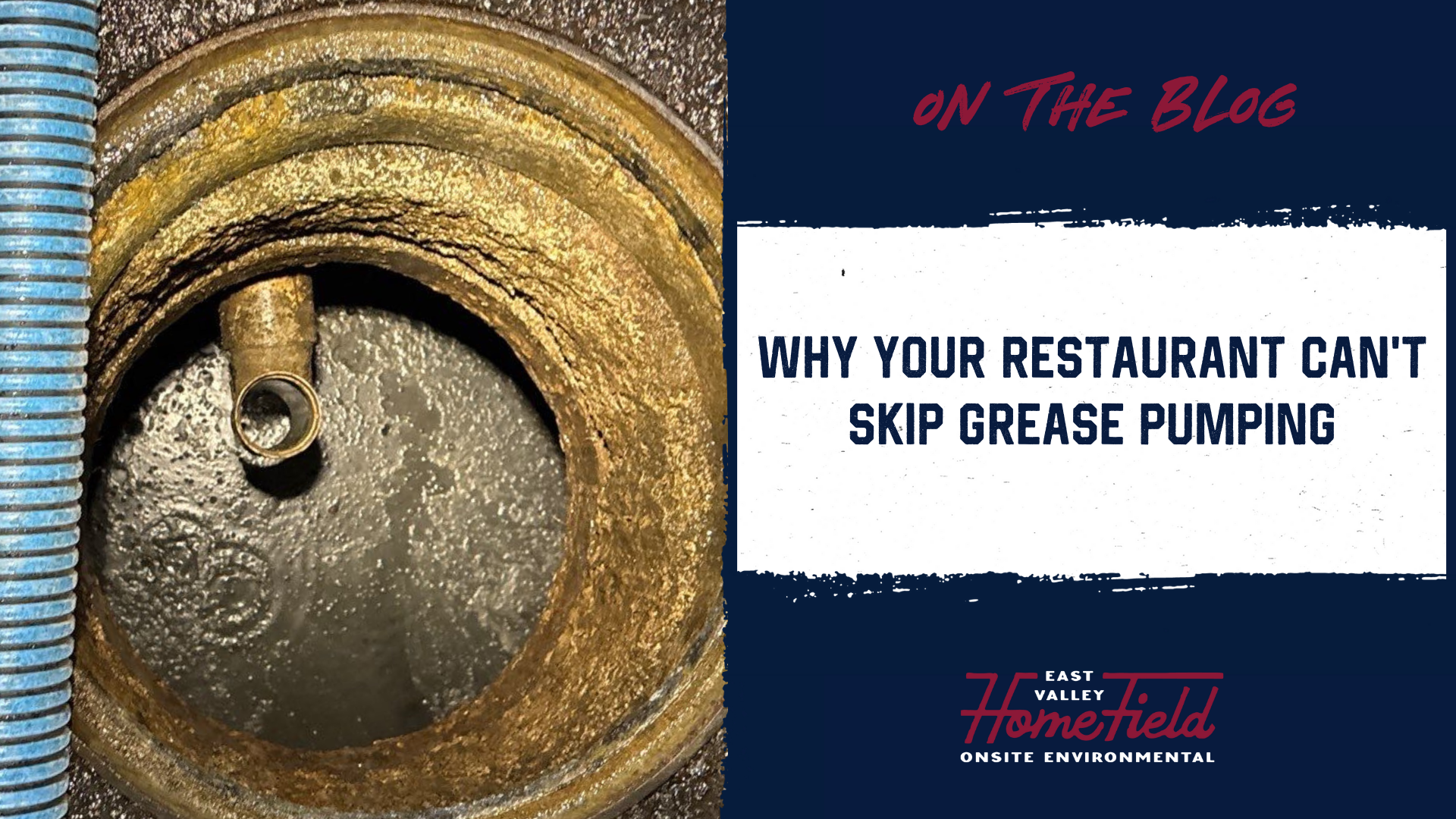
Why Restaurants Can’t Skip Grease Pumping
Restaurant grease pumping plays a critical role in keeping kitchens running smoothly and safely. When grease traps and interceptors fill up, problems follow fast. Backups, odors, slow drains, and shutdowns often trace back to skipped maintenance.
Routine grease pumping protects daily operations and helps restaurants avoid costly disruptions. It also supports compliance and keeps kitchens focused on service instead of emergencies.
Why Grease Pumping Matters for Restaurants
Every commercial kitchen produces fats, oils, and grease. Over time, that grease collects inside traps and interceptors. Once buildup reaches capacity, the system can no longer separate grease properly.
Regular grease pumping removes waste before it causes blockages. It protects downstream plumbing and reduces the risk of grease entering sewer systems. Consistent service also extends the life of grease equipment and lowers the chance of unexpected failures.
Restaurants that stay on a routine pumping schedule experience fewer service interruptions and more predictable operations.
What Happens When Grease Pumping Gets Skipped
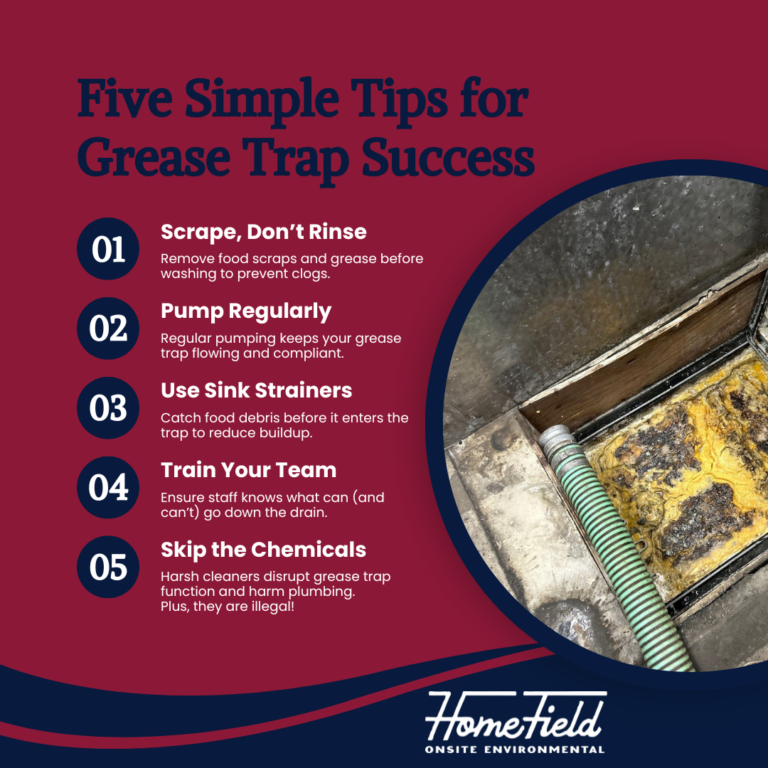
Skipping grease pumping creates risk quickly. Grease hardens and restricts flow. Drains slow down. Odors develop. Backups become more likely during peak service hours.
Health inspections often reveal poorly maintained grease systems. A full or overflowing grease trap can raise sanitation concerns and lead to required corrective action. Emergency cleanups, repairs, and lost business usually cost far more than routine pumping.
Preventative grease pumping keeps small issues from turning into operational problems.
Choosing the Right Grease Pumping Partner
Not all grease pumping services deliver the same results. Restaurants need a partner who understands commercial kitchens, inspection requirements, and the importance of reliable scheduling.
HomeField East Valley provides grease trap and interceptor pumping for restaurants across the East Valley. As members of the Arizona Restaurant Association, we stay closely connected to the standards and challenges restaurants face every day.
Our team focuses on preventative service, clear communication, and consistent follow through. With the right partner, grease pumping becomes routine instead of reactive, helping restaurants stay compliant, open, and running smoothly.