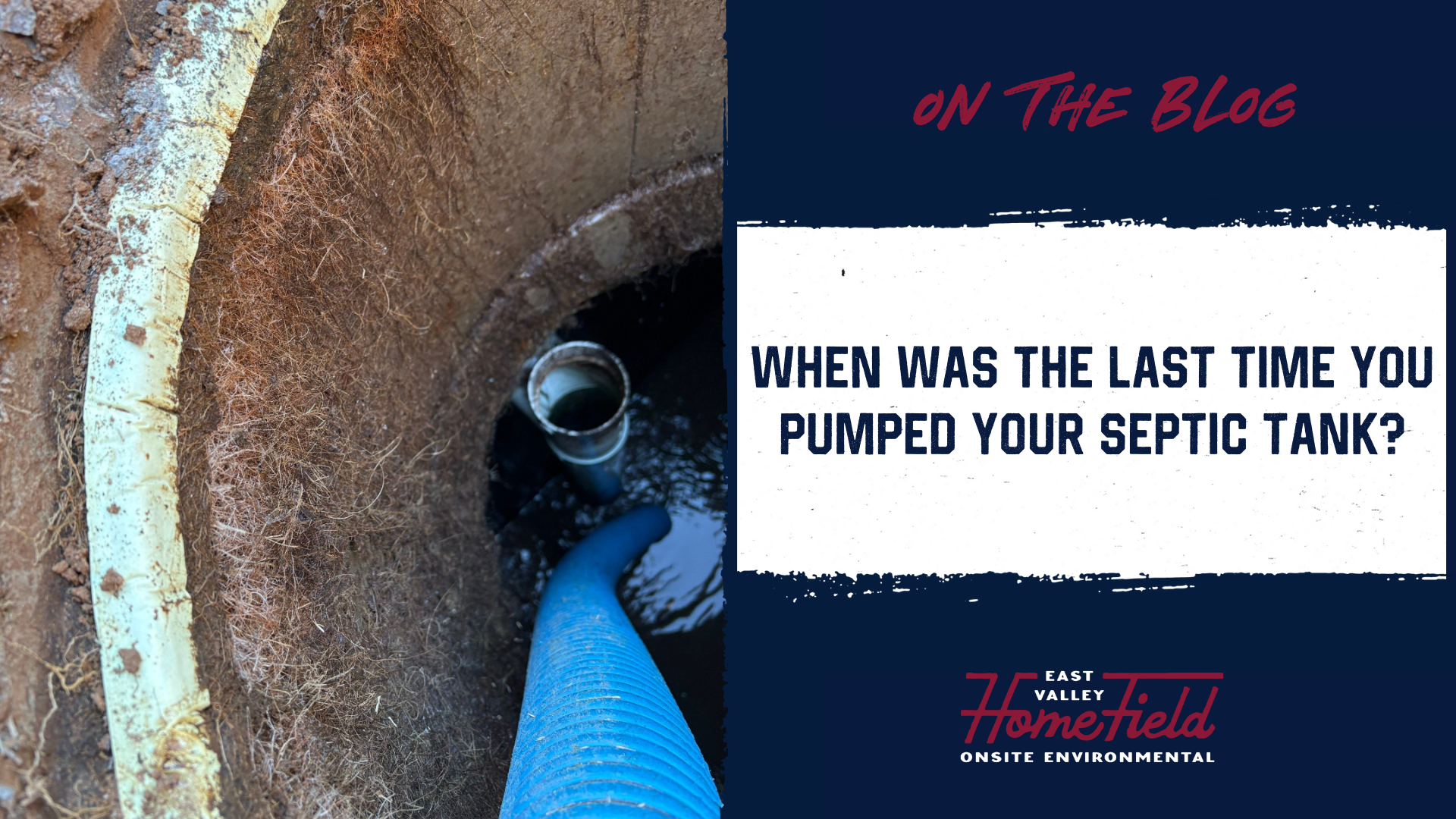
Many homeowners cannot answer this question. When was the last time you pumped your septic tank? If the answer is unclear, your system may already be overdue.
Septic systems work quietly. Without reminders, pumping often slips down the priority list. Waiting too long can lead to problems that cost far more than routine maintenance.
How Often Should You Pump Your Septic Tank?
Most homes need septic pumping every three to five years. Usage determines the exact timing.
Homes with more people fill tanks faster. Higher water use adds stress to the system. Garbage disposals also increase solid buildup, even with occasional use.
Frequent laundry cycles and long showers shorten pumping timelines as well. When daily habits increase waste, pumping schedules must adjust.
If you cannot recall your last pump out, that usually means it is time.

What Happens When You Wait Too Long?
Septic tanks rely on space to separate solids from liquids. When solids build up, that process stops working.
Solids can move toward the drainfield and cause clogs. Once solids reach the drainfield, repairs become expensive and disruptive.
Many systems fail without early warnings. Slow drains, odors, and backups often appear late. By then, damage may already exist.
Regular pumping prevents these issues and protects system performance.
Why Routine Pumping Matters
Pumping removes solids before they create problems. It also gives technicians a chance to check tank conditions. Routine pumping supports system longevity. It protects your home and property from unnecessary damage.
Pumping is not an emergency service. It is part of responsible home ownership. If your septic system works every day and you do not know when it was last pumped, that is your sign to schedule service.