
Septic System Installation & Alterations
Quick & Friendly Service That's what HomeField is all about!
Are you building a brand-new home? Are you adding bedrooms on to your current home? Is your current septic system failing and requiring replacement? Whether you need a septic system installation or assistance with an existing system, HomeField can help you!
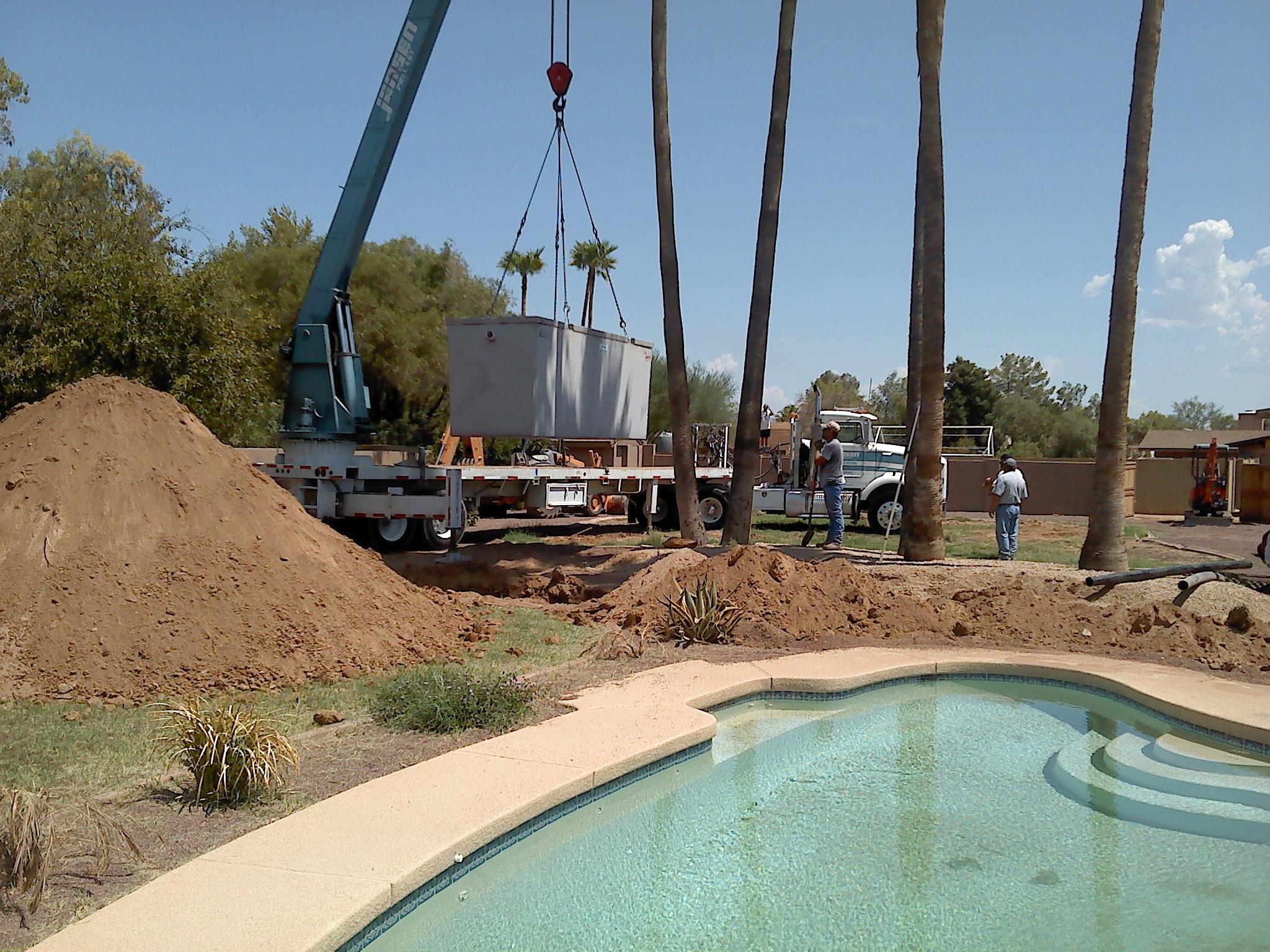
HomeField offers installations of conventional and advanced treatment septic systems. HomeField installs these systems for new construction homes, additions, remodels or total septic replacements due to aging or failing systems. We install concrete and poly septic tanks ranging from 1000 gallons up to 5000 gallons for commercial use.
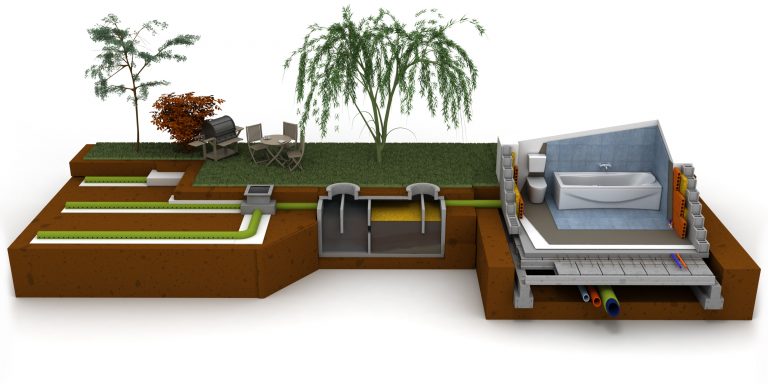
Conventional septic systems are simple systems with a septic tank and a leach field. The leach field treats the effluent. An advanced treatment system (ATU) or Aerobic Treatment Unit is a more complex septic system. It treats the effluent either before it enters the disposal field or with engineered products within the leach field.
All new septic tank installations require a permit from the local County Environmental Agency. HomeField East Valley can help you obtain your septic tank installation permits. We offer a full-service permitting program. Once we obtain the permit, we’ll set a timeline to complete your project as quickly as possible. possible.
We are your one-stop shop in the Gilbert area for all of your septic tank installation needs.
HomeField East Valley offers support through all stages of the installation process.
Phase 1 Permitting
Site evaluation and soils testing (perc testing) conducted on the same day!
Phase 2 Permitting
Application to construct and septic system design - both conventional & advanced.
Installation Service
Full installation service for conventional and advanced treatment systems
Septic System Alterations
Replacing ONLY the septic tank or the disposal field,
permitting is required
Abandonment/ Sewer Connections
Abandonment of septic system to connect to public or private sewers.
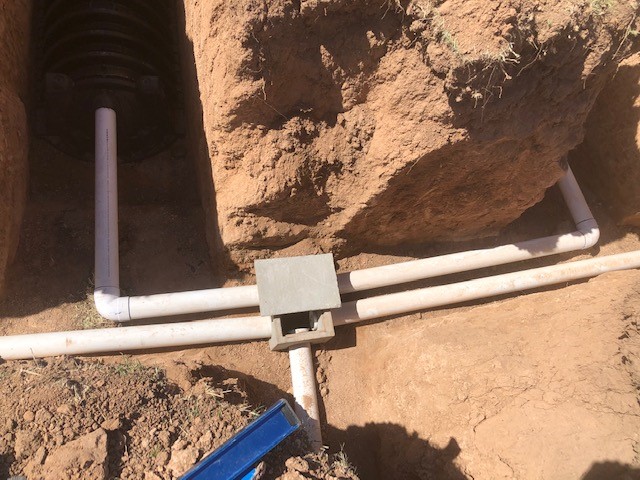
Phase I Permit Application - Site and Soil Testing (Perc Test)
The first step in the process is completing a Phase I permitting application. This includes filling out a County-provided form that outlines the property details and septic system plans. You’ll also need to submit a plot map of the proposed home site. This map helps ensure the septic tank meets all setback requirements.
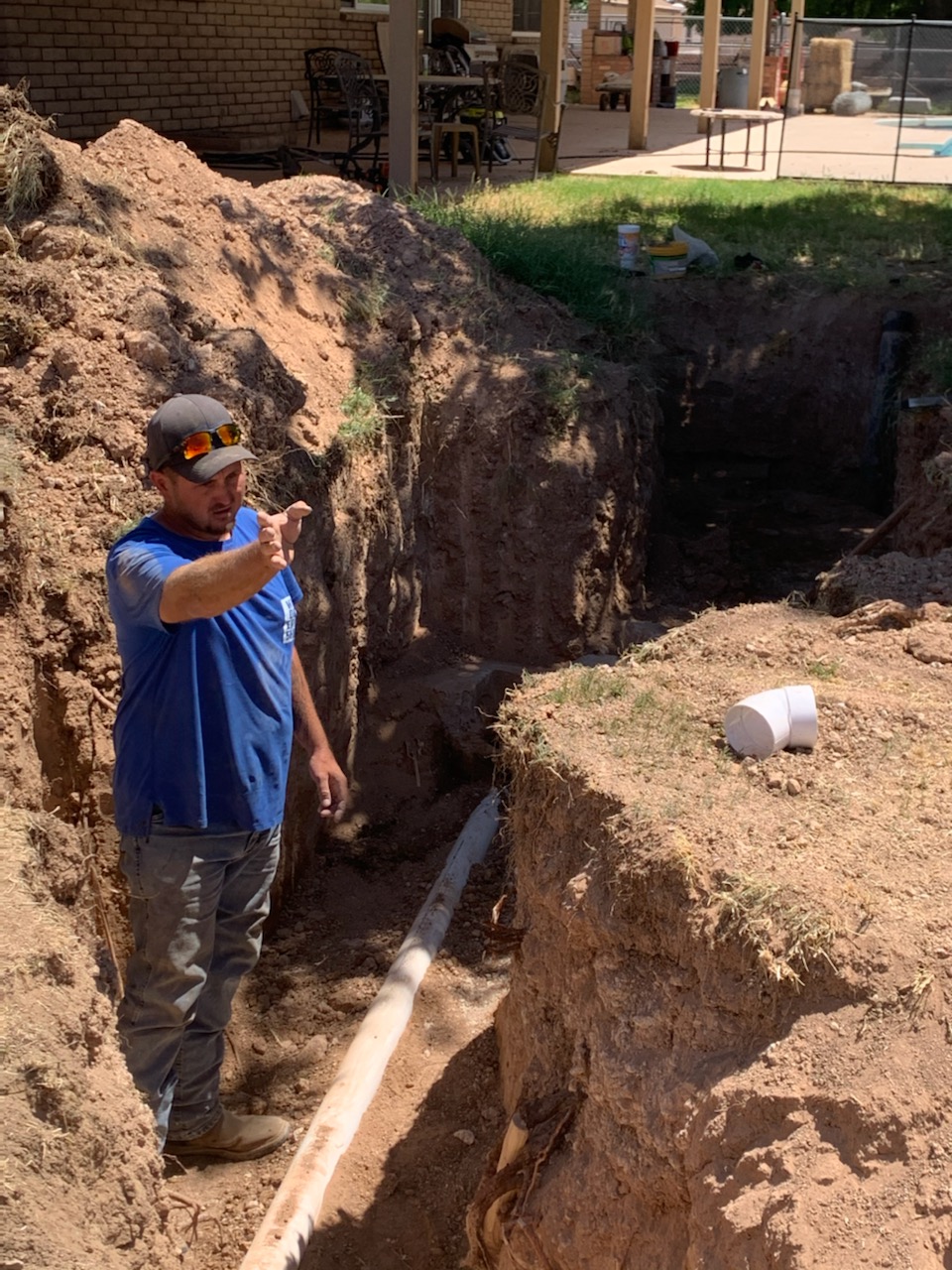
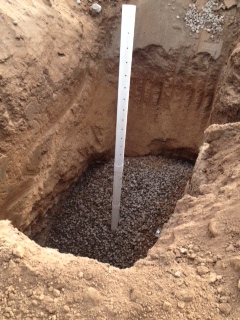
Next, we conduct a site and soils test to evaluate the property. This involves digging three holes on the property—two in the proposed disposal field and one in the reserve area. We dig each hole to meet County depth and spacing requirements.
After the holes are ready, our licensed sanitarian conducts a test to determine the Soil Absorption Rate (SAR). This number tells us how fast the soil absorbs water. We use it to design a disposal field that can handle the water from your septic tank. The sanitarian also reviews the proposed site layout to confirm the necessary setbacks are achievable.
After completing the testing, we backfill the holes and clean up the site. Within 3–5 business days, the sanitarian delivers a 6-page report that includes the SAR and site analysis. After we receive the report, we can move forward with Phase II permitting.
If the soil shows poor absorption or other issues, a full percolation test may be required. However, conventional systems in Arizona do not require a full perc test. In areas where ATU systems are common, we’ll let you know early so you can plan for that extra testing.
Our goal is always to save you money. That’s why we begin with a site and soils test. It’s more cost-effective and usually covers everything needed.
Phase II Permit Application and Septic System Design
In this phase of the permitting process, you submit your septic system design to the county for construction approval. You will select the proper septic tank size. Then, you will also design the best disposal method based on the SAR number provided in Phase I.
Selecting the proper septic tank size is done one of two ways and may actually consider both in close calculations. First, you must provide a current floor plan design for this permitting phase. We count the bedrooms and plumbing fixtures to determine the correct size and capacity for your septic system. This will also include garage sinks, barns, pool bathrooms, guest quarters, and more. We assign a number to each plumbing fixture based on its water usage. For example, a bathroom sink counts as 1 fixture while a toilet counts as 3 fixture units. More usage means more water. We add all fixtures to a calculation sheet and note the grand total of fixtures. We also count the number of bedrooms in the home, and in some cases, dens may count as bedrooms.
With these two numbers we are able to properly identify the best tank size for the home’s predicted water usage. Consider any future additions when selecting the tank size. The system may seem oversized for the current home. However, this prevents the need for septic system reconstruction later when additional rooms or fixtures exceed the permit limits.
Check out the links here to help you understand the process.
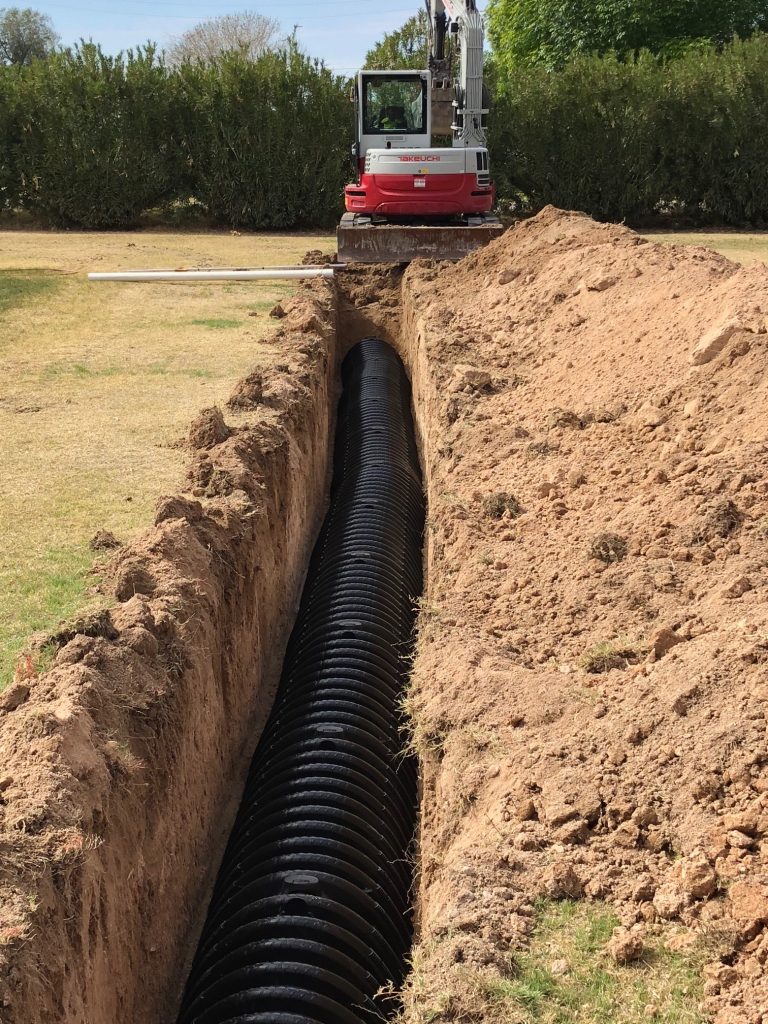
Along with selecting the correct septic tank size, we calculate the disposal field complexity. This uses numbers from the bedroom/fixture count and the SAR number from Phase I-Site and Soil testing. Each disposal field differs and serves separate needs and applications. Each field also has it’s own special calculation. This ensures that the depth or length is adequate to handle the estimated daily effluent from the septic tank. If your soil test requires an advanced treatment unit, we can help. We will recommend the best system for your home, usage, and maintenance requirements.
Designing a septic system is a matter of acquiring the correct septic tank size and the correct disposal method and it’s individual complexity. Proper septic system design will ensure that you will have a system that will last you many years and perform it’s job properly. After designing the system and submitting the documents to the County, they will issue an Approval to Construct. This approval is the green light to begin the installation process.
We offer complete permitting service for both phases of this process. Our service includes completing all applications, gathering required documents, creating scaled site plans, and scheduling of the inspections. We’ve done all of the hard work in learning what is required to complete these permits as quickly as possible. Let us help you today!
Full Septic Installation Service
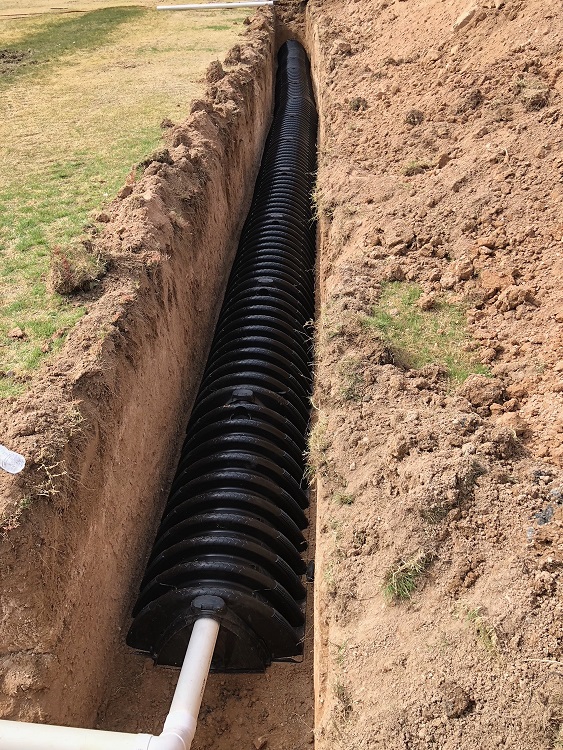
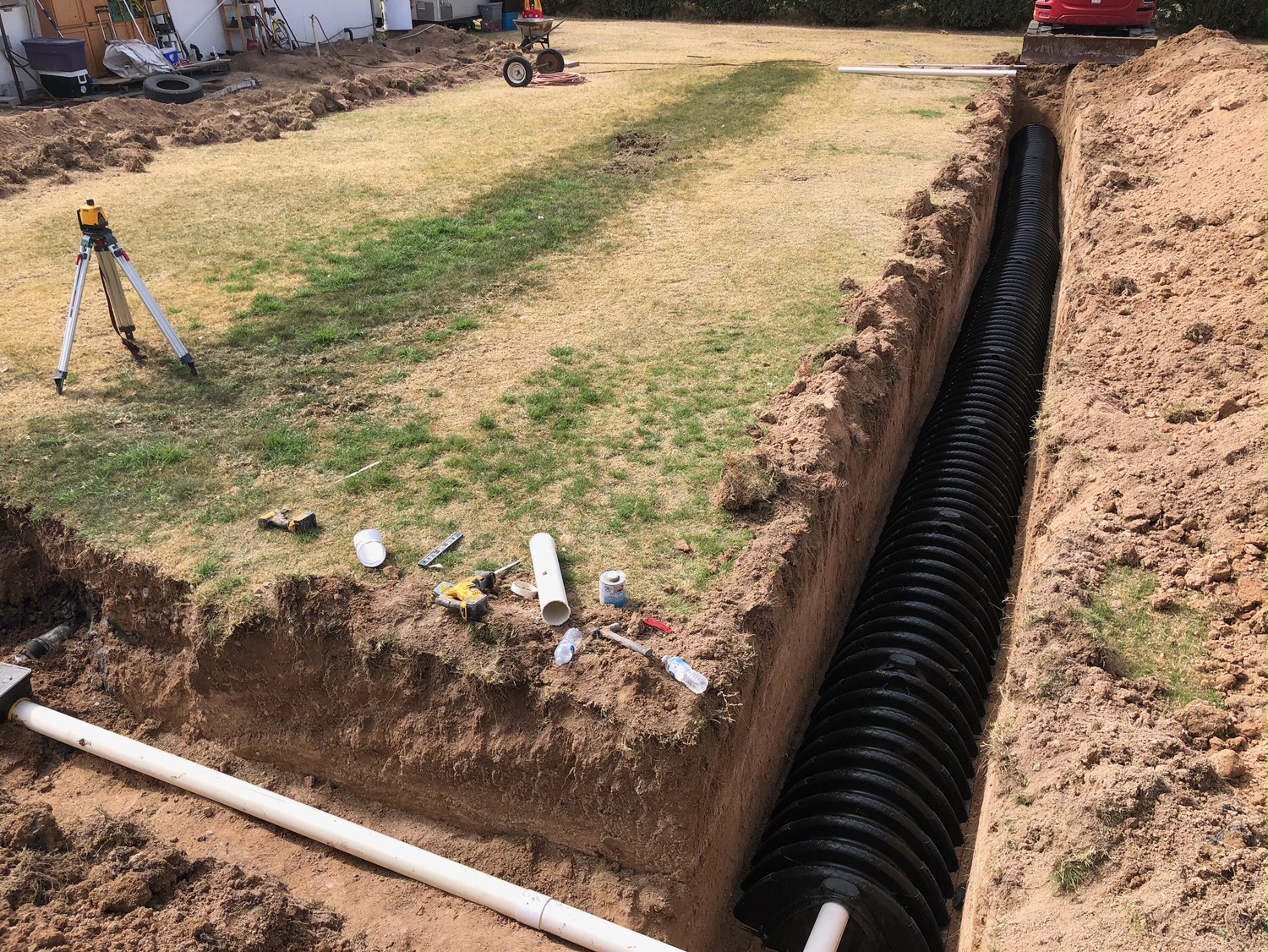
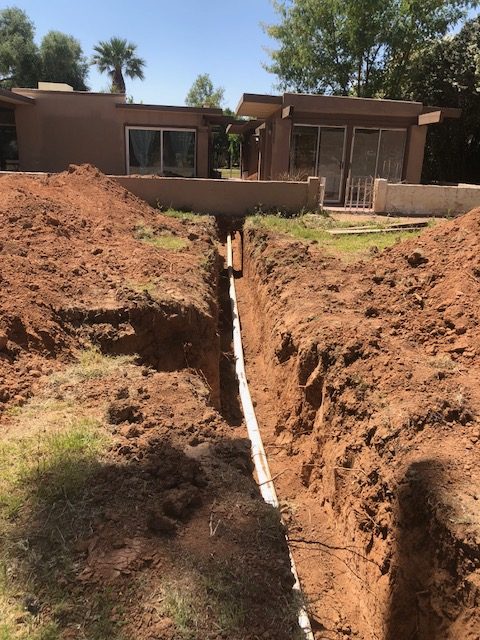
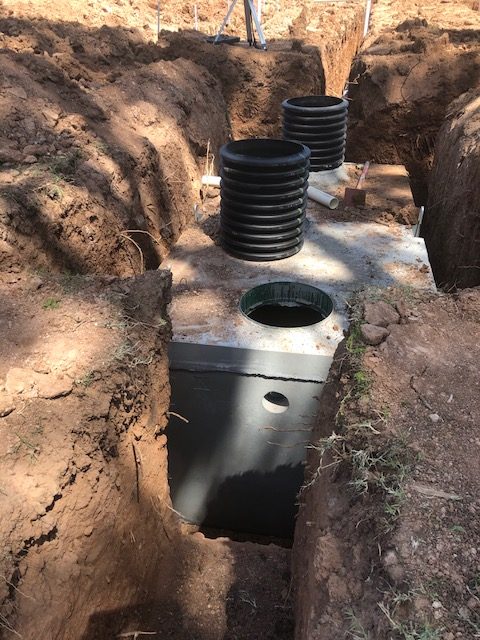
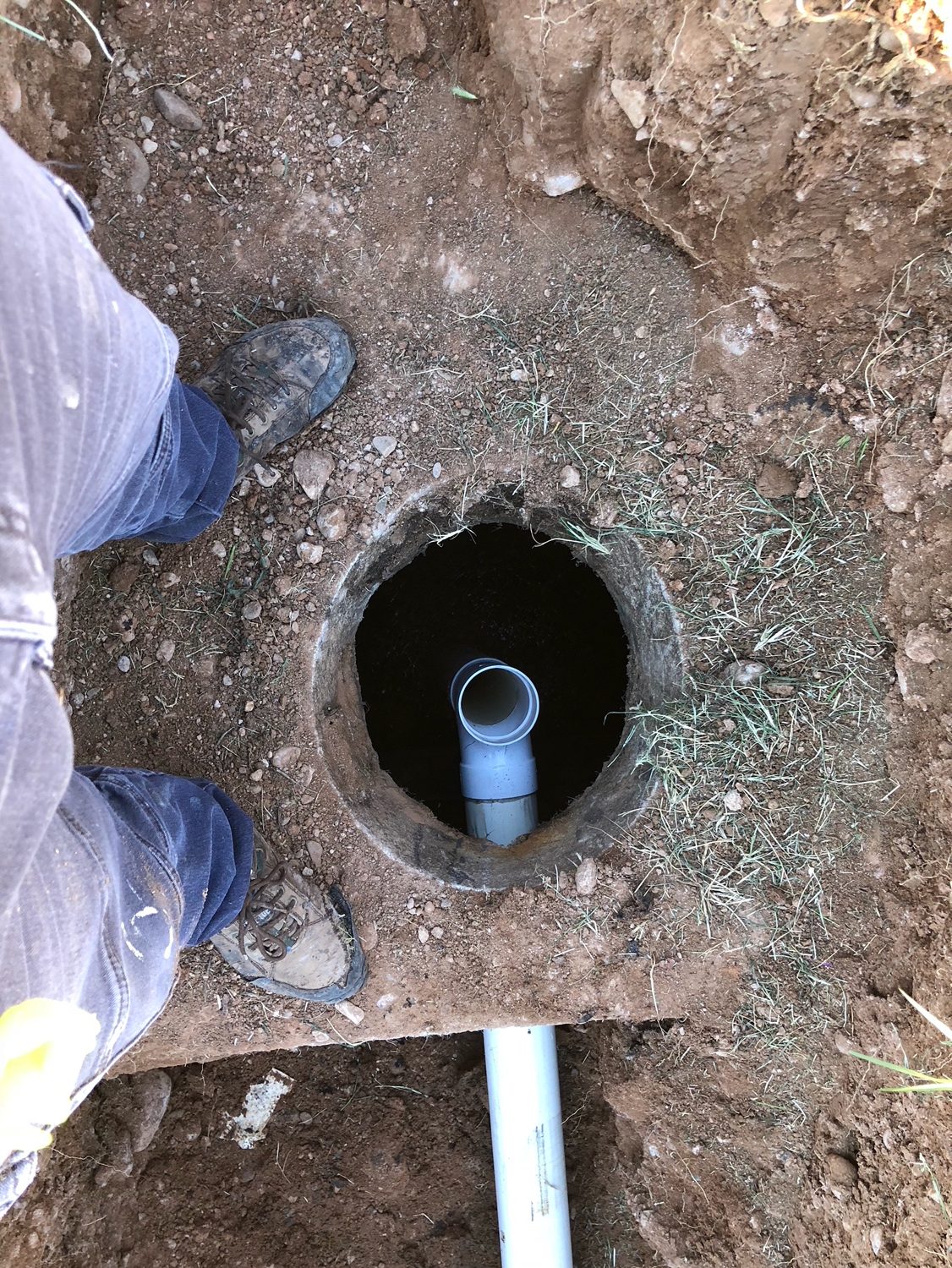
Once the County issues the Approval for Construction, we will schedule your installation job to begin. We typically install most systems within one to two weeks, including county inspections. Our installation crew uses our own excavating equipment. We hold full licenses and insurance to handle the job. Our installation team has years of experience and are some of the nicest guys you’ll ever meet. We first excavate to set the septic tank. Next, we excavate and install the disposal field. Finally, we connect the two parts of the system with the proper plumbing and connections.
After completing the installation, we will call in the inspection to the respective County. A representative typically arrives on-site within 48 hours. They inspect the final construction before we cover any part of the system. Once we receive the tag to proceed, we will complete the project with precision. We’ll ensure your septic area is clean and presentable. And that’s it! You can now enjoy the use of your properly installed septic system. At the end of your project, you will receive a permit package with all documentation for your files. You will also get a maintenance manual for your system.
Septic System Alterations
It is important to know that there are two equally important components to a septic system. There is the septic tank and the disposal field. When one portion of the of septic system has failed and needs to be replaced, it is referred to as a septic system alteration. Common situations where an alteration may come into play could be these:
-
If the septic tank is eroded, deteriorated or cracked beyond repair and the disposal field is still performing well, you may only need to replace the septic tank.
-
If the disposal field is over-saturated or the structure is compromised beyond repair, yet the septic tank is functioning properly, you may only have to replace the disposal field.
There are few checklist items you have to consider when filing an Alterations Permit for the septic tank. If the home’s size and bedroom count haven’t changed, you can file an alterations permit to replace the septic tank with a like-for-like tank. If additional bedrooms have been added without an increase in tank size, the County will make you account for those additional “bedrooms” and install a tank that is appropriate for the current structure of the home. We will also have to determine the exact disposal field method and confirm that the size and functionality of the disposal field through a Report of Inspection form.
Septic System Abandonment & Sewer Connection
When a septic system fails you must replace it, the current system will need to be properly abandoned. In Maricopa County, an abandonment permit is required along with the alteration or new installation septic permit. Septic tank abandonment is needed for a couple of different reasons:
- Sometimes only parts of the system need to be abandoned. This process is known as a septic system alteration. If you are only altering the tank or field, you only have to abandon the portion that you are replacing.
- If you are replacing the entire septic system, the entire system will need to be abandoned. This will occur if you are abandoning a complete failure system, upgrading your system or connecting to the city sewer.
You can abandon a septic system in two ways. We can slurry or dirt fill the septic tank and field or we can remove it in entirety. Our team can advise which option is best for your particular situation.
HomeField can help you with this process. We know permitting inside out. We’ll guide you through the paperwork and city process to tap into the sewer system. We abandon the old septic system and reroute the plumbing to connect directly to the sewer.
Call us today to learn more 480-540-6266.